
How Much Do Egg Donors Make? Egg Donation vs. a Part-Time Job
If you are a student watching tuition, rent and loan balances climb, you have probably seen the numbers floating around online and wondered: how much do egg donors make, really? And is it actually worth it compared with picking up shifts at a café or campus job?
This guide compares the two honestly. Egg donation isn’t a job. It’s a medical process that helps someone build a family, and it deserves a decision made with full information, not just a dollar figure.
How much do egg donors make per cycle?
At Blossom Fertility, egg donors receive a base compensation of $7,000–$12,000 per completed cycle. Blossom also covers reasonable costs like transportation to appointments and accommodation when needed, and donors may receive additional compensation depending on the circumstances of the cycle.
Your actual amount depends on several things:
- Your experience. First-time donors are typically paid less than donors who have completed cycles before.
- Screening results and how the cycle goes. Medical evaluations, the number of eggs retrieved, and any additional procedures can affect compensation.
- Your background and profile. Intended parents’ needs and demand for particular backgrounds vary.
- Agency and location. Pay differs from one agency and region to another.
Want the full breakdown? Read our guide to what factors affect how much egg donors get paid or see our full egg donor compensation page.
Good to know: Payment is tied to completing the cycle not to a guaranteed number of eggs. Always get your compensation terms in writing before you start and be cautious about any agency that promises a specific “guaranteed” figure before screening.
Egg donation vs. a part-time job: the numbers
Let’s use a simple example. Say you work a part-time job at $15/hour for 15 hours a week. That’s an illustration, and your local wage may be higher or lower.
Part-time job | Egg donation (one cycle) | |
|---|---|---|
Typical earnings | $225/week | $7,000–$12,000 base |
Over one semester (26 weeks) | $5,850 | One cycle, completed in weeks |
Over one year (52 weeks) | $11,700 | Up to a few cycles at most (see below) |
Time commitment | Ongoing, weekly | Concentrated: about 4–8 weeks start to finish, with about 2–3 weeks of active treatment |
Physical demands | Depends on the job | Daily injections and a medical procedure |
Repeatable? | Yes, indefinitely | Limited by medical guidelines |
Taxes | Withheld from paychecks | Generally treated as taxable income (talk to a tax professional) |
So on paper, one egg donation cycle can equal roughly six months to a year of part-time wages earned in a much shorter window. That’s a real difference especially if you’re trying to cover a big expense like tuition or pay down loans.
But money isn’t the whole comparison.
Is Egg Donation Right for Your Schedule?
The compensation may catch your attention, but the appointments, injections, and retrieval matter too. Learn what a cycle involves and ask questions before making a decision.
What you actually do for that compensation
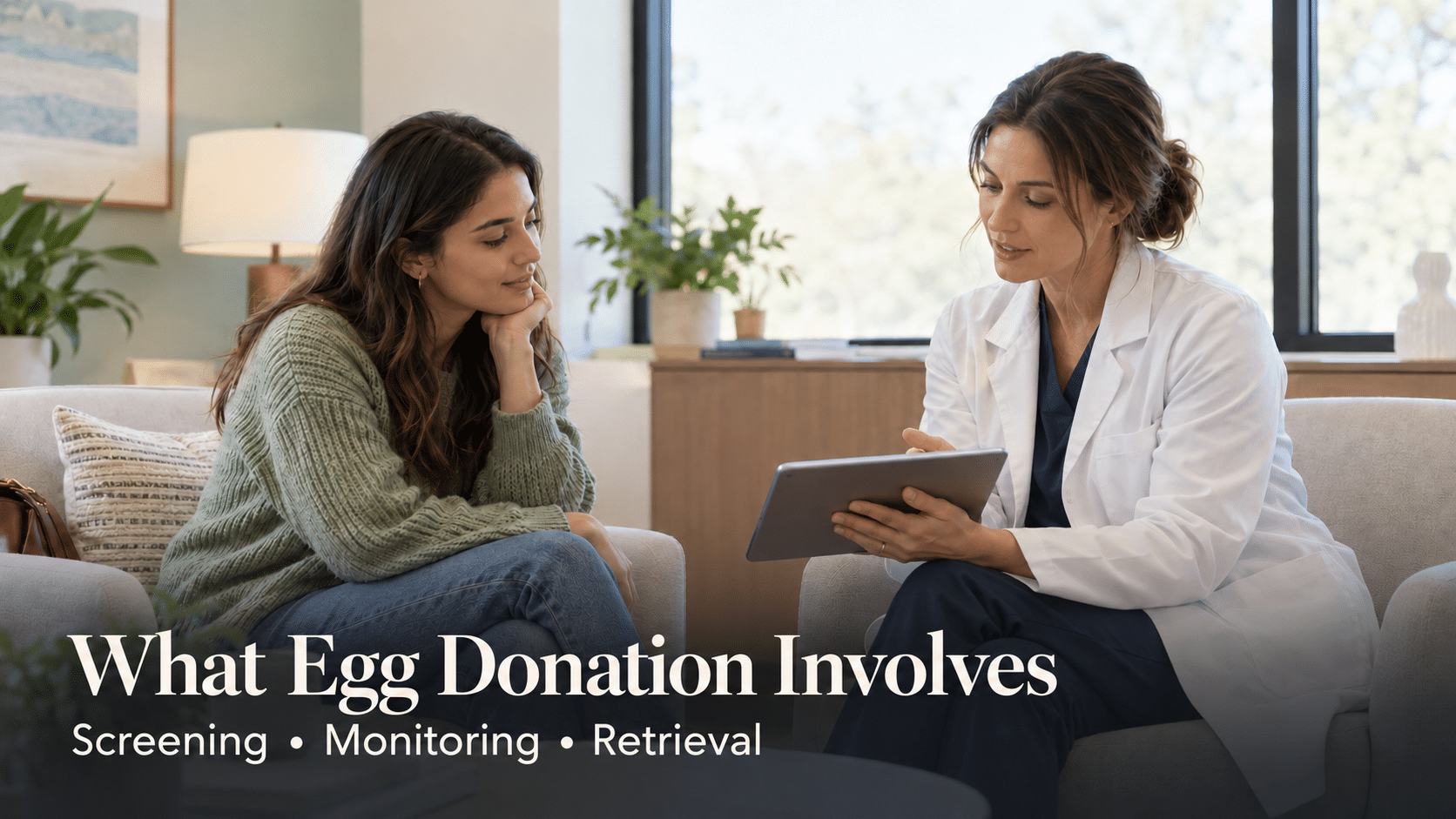
A part-time job asks for your time. Egg donation asks for your time and your body, so it’s worth understanding what’s involved:
- Application and screening. You’ll complete an application, then medical, genetic, and psychological screening. At Blossom, the screening is covered, and it can give you useful insight into your own reproductive health.
- Matching. You’re matched with intended parents. Timing varies, and being screened doesn’t guarantee a match.
- Ovarian stimulation. You’ll give yourself daily hormone injections for roughly 10–12 days, with frequent monitoring visits (blood tests and ultrasounds), often early in the morning.
- Egg retrieval. A short outpatient procedure under sedation. Most donors go home the same day and rest for a day or two.
For the complete picture, see our egg donor process guide or how long it takes to donate eggs.
Can you do it while you're a student?
Many donors do. Plenty balance classes, work, or other commitments during a cycle. The main challenge is scheduling: monitoring appointments are frequent near the end of stimulation, and the retrieval day needs to be planned around exams or deadlines. Talk with your coordinator about your academic calendar before you commit, so your cycle doesn’t collide with finals.
International students should also note that eligibility depends on your visa status. Read our guide to F-1 students and egg donation and confirm your situation with your agency and, if needed, an immigration attorney.
The honest downsides
A trustworthy answer includes the parts that aren’t fun:
- Physical side effects. Bloating, mood swings, tenderness, and fatigue are common during stimulation. Serious complications such as ovarian hyperstimulation syndrome (OHSS) are uncommon, but they’re the reason careful monitoring matters.
- Time and discipline. Injections have to happen at the right time every day, and appointments can be early.
- Emotional considerations. Some donors feel great pride. Others find the process more emotional than expected. A good agency offers counseling and doesn’t rush you.
- Not a steady income. Unlike a job, this isn’t something you can do every semester. Medical guidelines generally recommend limiting the total number of donation cycles, commonly to around six in a lifetime.
One common worry deserves a direct answer: donating eggs does not “use up” your egg supply or reduce your future fertility. Your body recruits a group of eggs each month, and stimulation retrieves eggs that would otherwise have been lost. Still, ask your doctor any personal medical questions.
Who qualifies?
Requirements vary by egg donation agency but donors are generally healthy women in their 20s who are non-smokers within a healthy BMI range and have no serious hereditary conditions. Most agencies have a minimum age of 21 so if you’re younger you’ll want to wait. Check our egg donor qualifications for the specifics.
So, is the pay worth it?
It depends on what you value:
- Egg donation may be worth considering if you’re healthy and eligible, want a meaningful sum in a short window, are comfortable with injections and a medical procedure, and are drawn to helping someone build a family.
- A part-time job may be the better fit if you want flexible, low-commitment income, aren’t comfortable with the medical side, or don’t meet the requirements.
Neither choice is “better.” The right one depends on your health, your schedule, your goals, and your comfort. And you’re always free to say no at any stage.
Frequently Asked Questions
How much do egg donors get paid for their first cycle?
At Blossom Fertility, base compensation is $7,000–$12,000 per cycle. First-time donors are often on the lower-to-middle part of a range, with pay increasing with experience. Your exact figure is confirmed after screening.
How much do you get paid to donate eggs if you're a student?
Student status doesn’t change the amount. Compensation is based on the donation cycle, your profile, and your agency. Many donors use the funds for tuition, loans, or savings.
Do egg donors pay for any of the medical costs?
No. At Blossom, medical testing, medications, and procedures are covered by the program, along with reasonable travel expenses.
Is egg donation compensation taxable?
In the U.S., compensation is generally considered taxable income. Speak with a tax professional about your specific situation.
How long does it take to get paid?
Timing is set out in your donor agreement and payment is generally tied to completing the cycle. Ask your coordinator to explain the schedule up front.
Can I donate more than once?
The doctors approve but medical guidelines limit the total number of cycles.
Thinking about it? Start with a conversation.
If you’re a student weighing egg donation against other ways to earn, discuss it with someone who can answer your questions honestly. Blossom Fertility offers a free, confidential consultation and a quick eligibility check, with a dedicated coordinator to guide you from your first question to the end of your cycle.
